

TReading time: 5 min
Have you noticed a loss of power in your BMW E90 or E91? Is the check engine light on, is your fuel consumption increasing, or is there a whistling noise coming from the engine compartment? It’s possible that the BMW air intake hose, OEM part number 13717795284 is at issue.
Over time, this rubber part is subjected to significant mechanical and thermal stress. On BMW 3 Series E90 and E91 models equipped with the M47 diesel engine, it is common for the air intake to crack or lose its seal after several years of use.
In this article, we’ll explore why the intake manifold wears out over time, how to recognize the signs of a faulty intake manifold, and why replacing it is a simple solution to restore your BMW’s original performance.
Why does the air intake on your BMW E90 / E91 M47 get damaged?
Unlike many components in the engine compartment, the air intake duct is constantly subjected to extreme conditions.
Over the years, several factors accelerate the aging process:
- significant fluctuations in engine temperature; ;
- constant vibrations; ;
- the natural aging of rubber; ;
- oil splatters; ;
- the pressures experienced during interviews.
Over time, the duct may then exhibit:
- cracks in the bellows; ;
- cracks in the rubber; ;
- tears that allow air to enter; ;
- a loss of watertightness; ;
- deformation of the part.
Sometimes even a single crack is enough to disrupt the engine's proper operation.
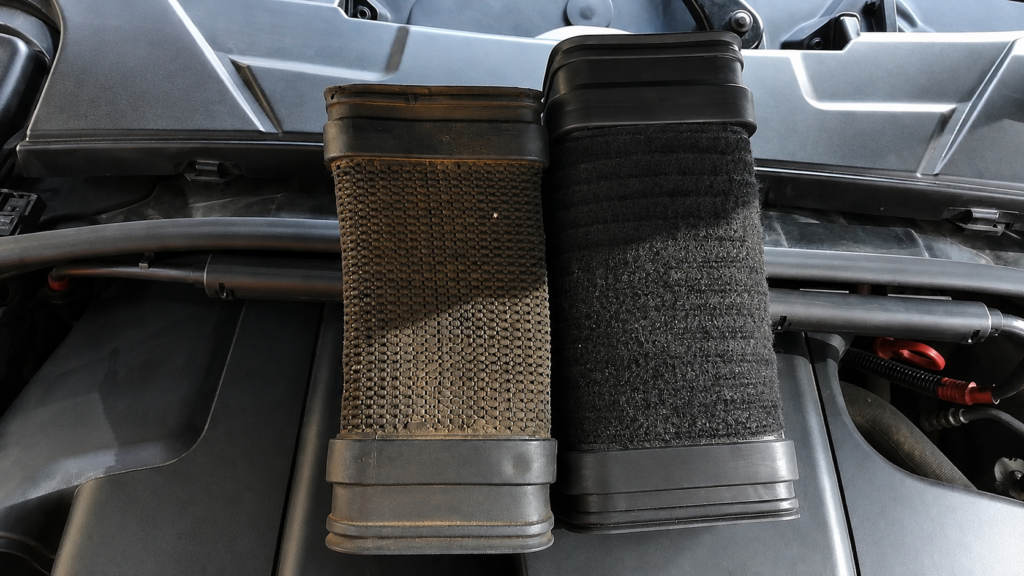
Symptoms that can quickly become bothersome
Even if the part still appears to be in good condition on the outside, a damaged air intake can cause several malfunctions:
- loss of power during acceleration; ;
- less responsive engine; ;
- increased fuel consumption; ;
- engine warning light on; ;
- problems related to airflow; ;
- A suction noise or whistling sound in the engine compartment.
The good news is that, in most cases, simply replacing the intake manifold is enough to fix these problems.
Should the entire intake system be replaced?
No.
In most cases, only the intake duct is damaged.
Our air intake is designed to be a direct replacement for the original part. It matches the original dimensions, connections, and mounting points to ensure easy installation and a perfect seal.
Quick and easy installation
Replacing the intake manifold does not require any modifications to the vehicle.
Simply remove the clamps, take out the old air intake, install the new one, and then tighten the fasteners.
This procedure is accessible to individuals with a basic set of tools and allows you to quickly restore a perfectly sealed engine.
Compatibility
Our air intake is compatible with:
- BMW 3 Series E90 (2005–2012)
- BMW 3 Series E91 (2005–2012)
Compatible engines :
- BMW 318d M47
- BMW 320d M47
We recommend that you check your vehicle's compatibility before placing your order and compare your original part with the photos on this product page.
Why choose our air intake system?
Our products are selected to offer:
- quality close to the original; ;
- a precise adjustment; ;
- heat- and vibration-resistant materials; ;
- a perfect seal; ;
- a direct replacement installation; ;
- Excellent value for the price.
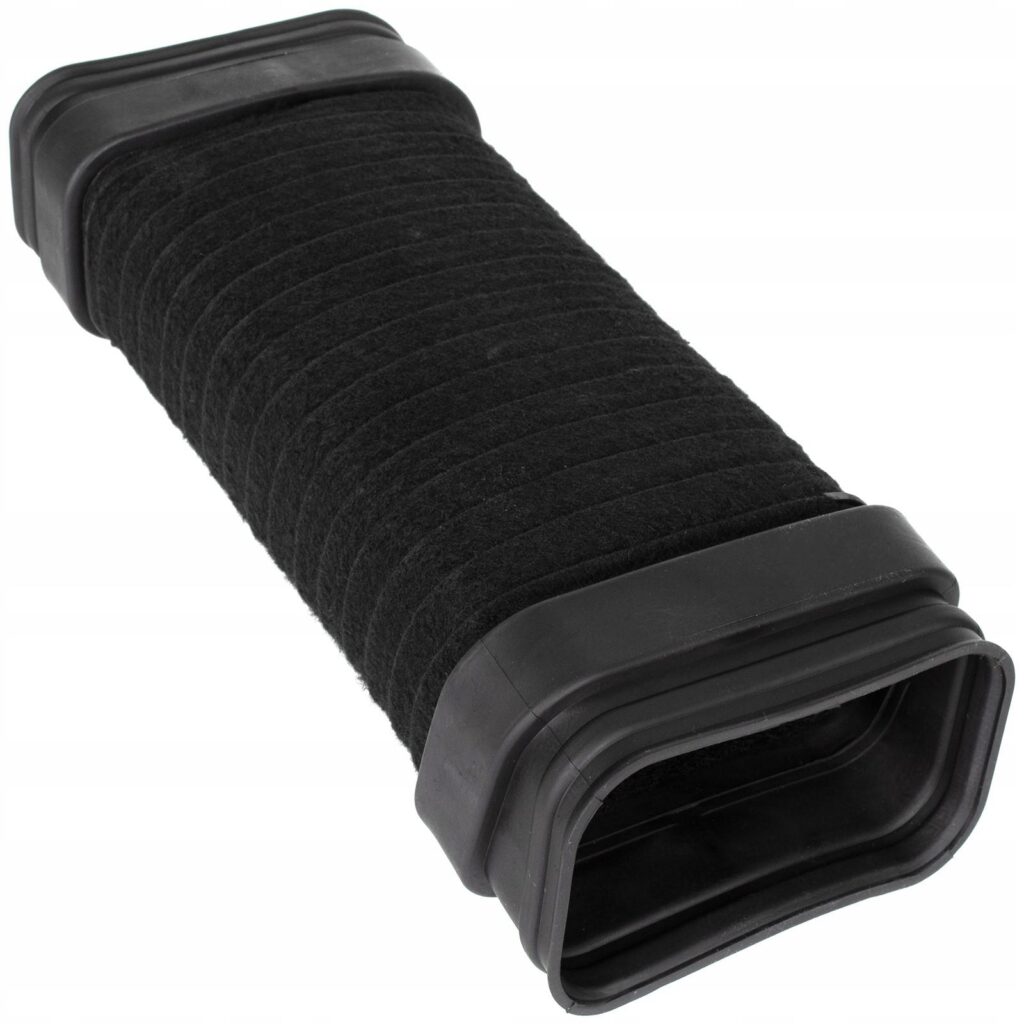
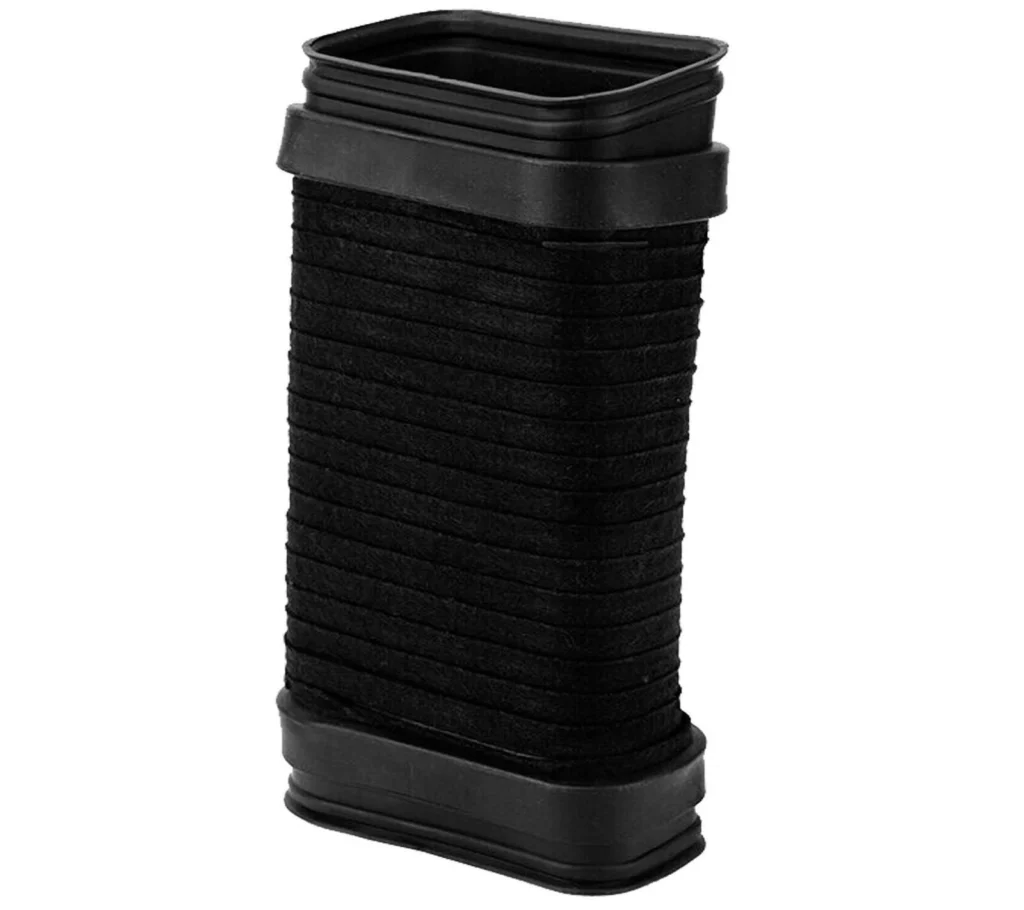
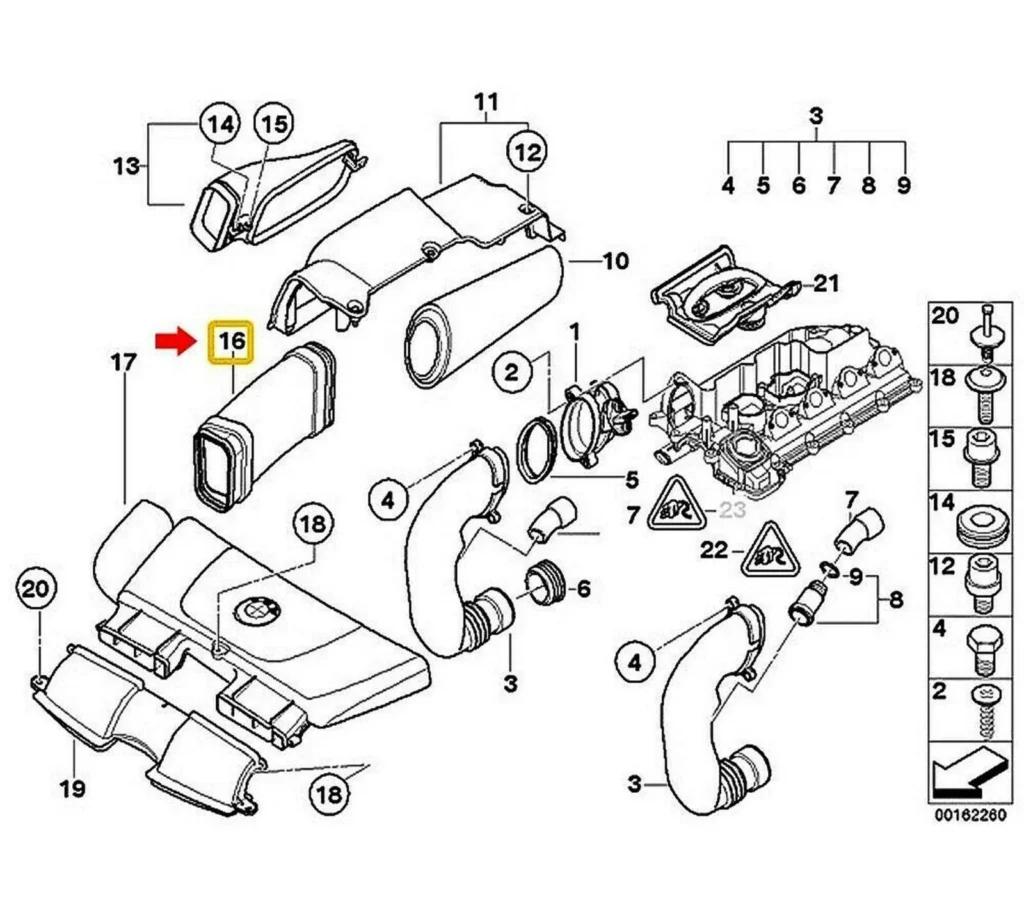
BMW E90/E91 M47 N2 Air Intake
What is the connection between the air intake and the EGR valve?
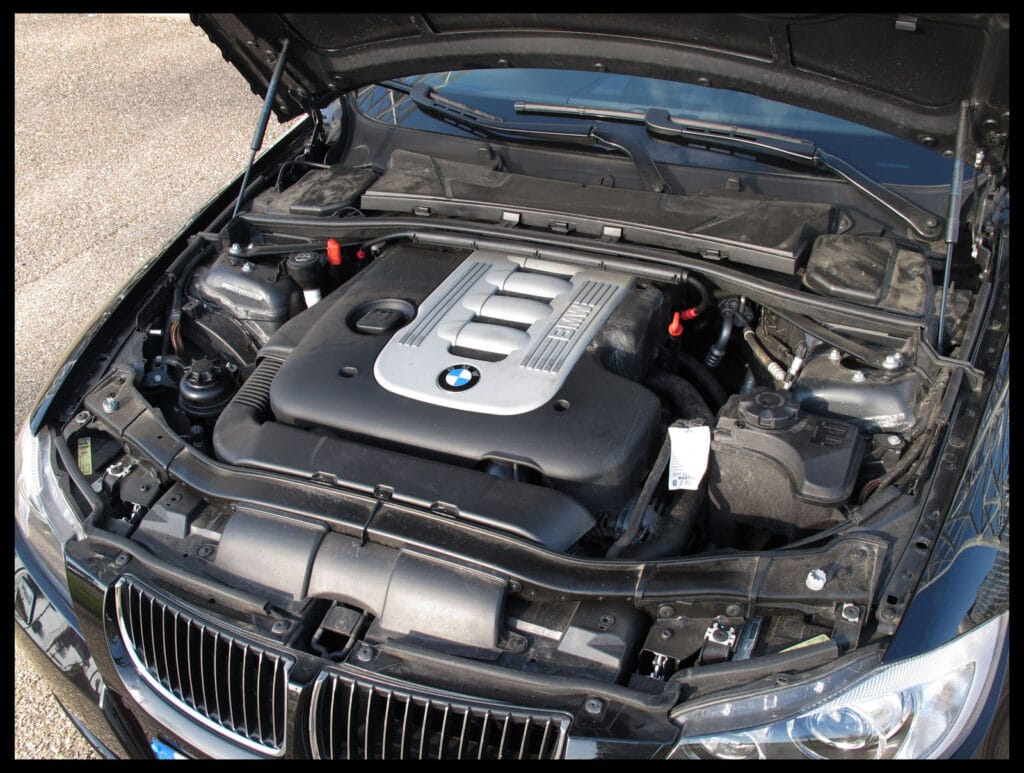
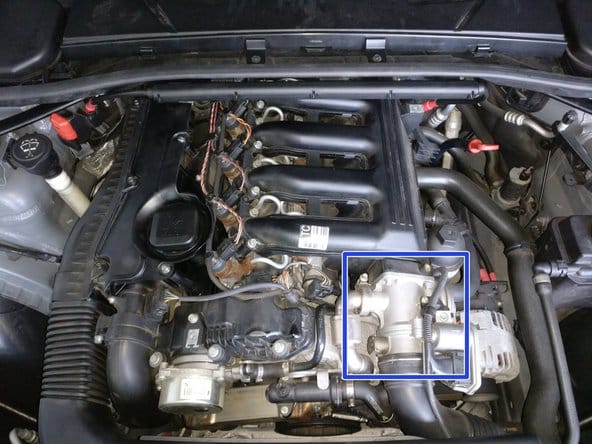
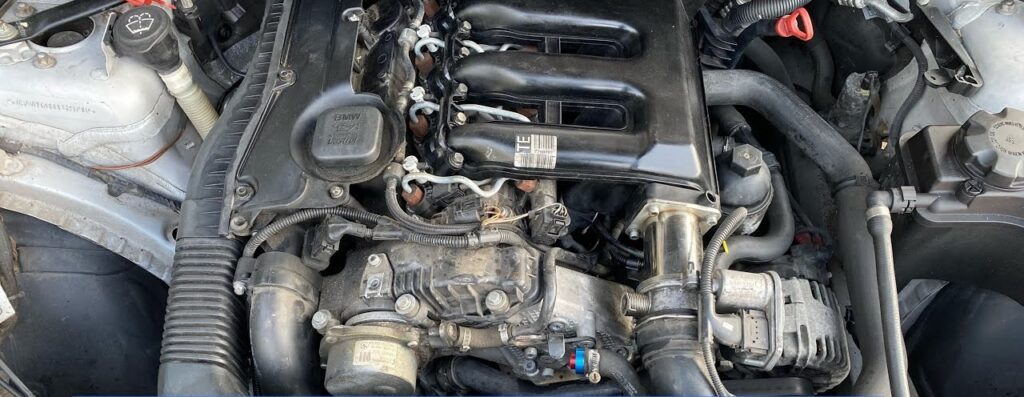
On BMW M47 diesel engines, the air intake duct does not operate independently. It is part of a system that includes, among other components, the mass airflow sensor (MAF), the turbocharger, the intercooler, the intake manifold, and the EGR (Exhaust Gas Recirculation) valve.
The role of the EGR valve is to recirculate a portion of the exhaust gases into the intake to reduce the combustion temperature. By lowering this temperature, the engine produces fewer nitrogen oxides (NOx), pollutants that are subject to particularly strict regulations in diesel engines.
The engine control unit continuously controls the opening of the EGR valve based on a number of parameters: engine speed, load, coolant temperature, intake air temperature, and the amount of air measured by the airflow sensor.
Why can a leak in the intake manifold interfere with the operation of the EGR system?
The operation of the EGR system relies on a very precise balance between the amount of fresh air drawn in and the amount of exhaust gas recirculated into the engine.
When a crack appears in the intake duct—particularly between the airflow meter and the turbocharger—air not accounted for by the engine control unit may enter the system, or, depending on the location of the leak, some of the measured air may escape.
The calculator then compares several pieces of information:
- the air mass measured by the flow meter; ;
- the intake pressure measured by the MAP sensor; ;
- the position of the EGR valve; ;
- the turbocharger's boost pressure.
If these values become inconsistent, the system may interpret the problem as a malfunction in the EGR valve, the flow sensor, or the intake system.
Result: A simple air leak can cause symptoms similar to those of a clogged EGR valve, including:
- loss of power; ;
- switch to fallback mode; ;
- increase in consumption; ;
- greater amounts of smoke; ;
- Engine warning light on due to issues related to airflow or exhaust gas recirculation.
That is why it is essential to check the intake system for leaks before replacing an EGR valve or a flow sensor. In many cases, replacing the intake manifold is enough to solve the problem.
EGR system fouling also accelerates the wear and tear on the intake system
Over time, the exhaust gases recirculated by the EGR valve carry soot particles that mix with oil vapors from the engine breather. This mixture gradually forms a layer of deposits in the intake manifold and ducts.
On M47 engines with high mileage, it is not uncommon to observe:
- an intake hose that has become more flexible or weakened by heat; ;
- a manifold partially clogged with deposits; ;
- less efficient air circulation; ;
- less responsive turbo response.
When replacing the intake manifold, it is therefore a good idea to check the condition of the EGR valve and the intake manifold to ensure that the engine has a clean and completely airtight air intake system.
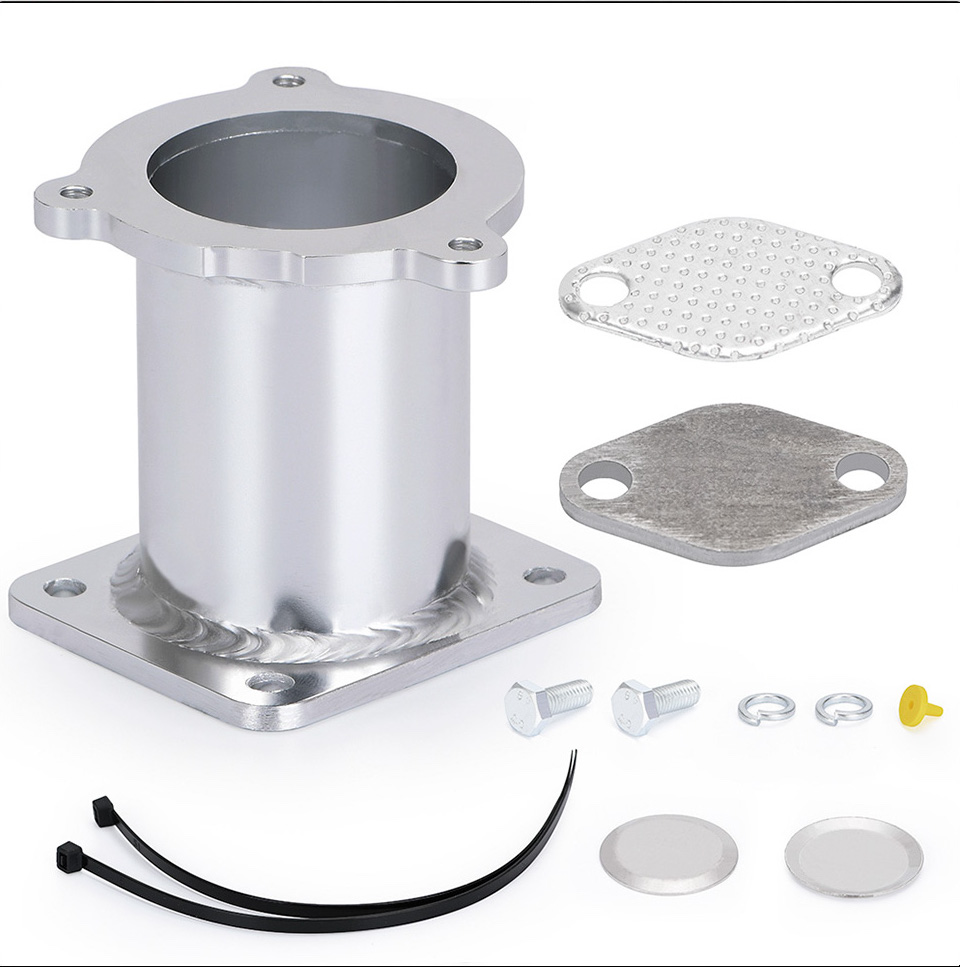
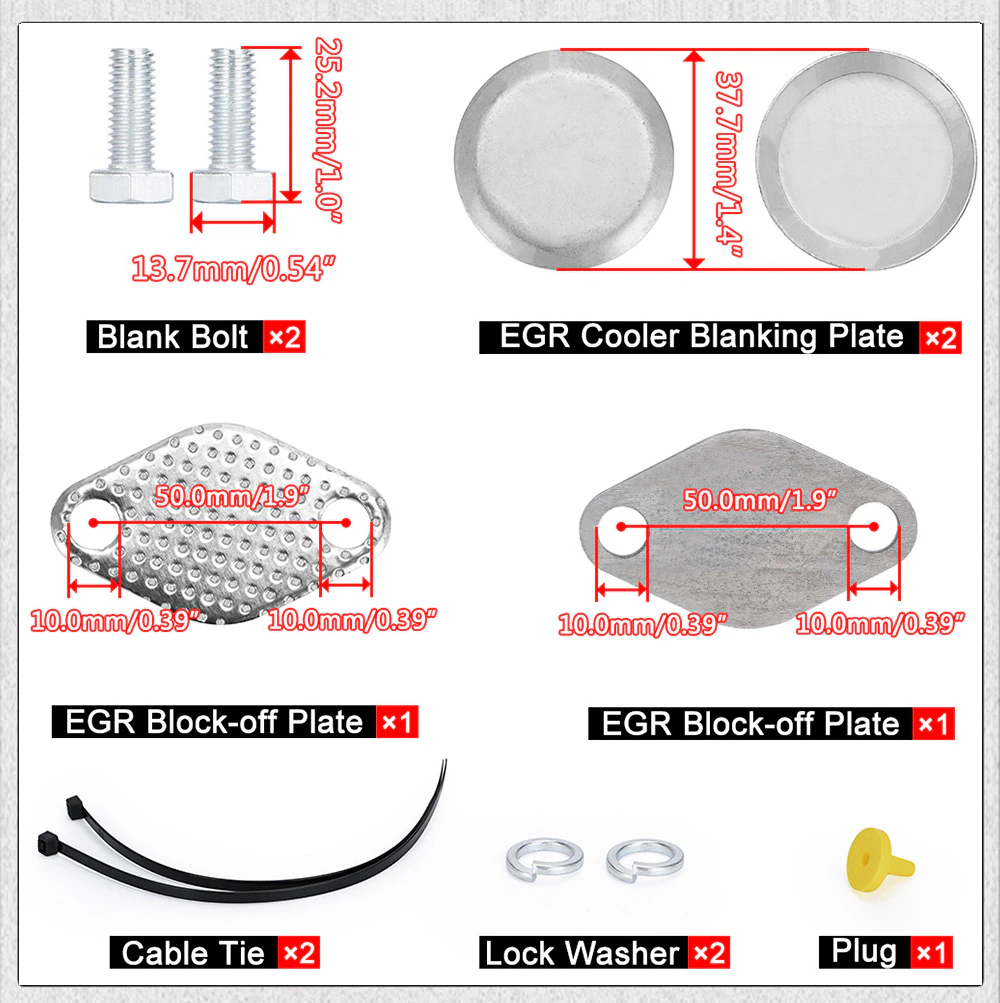
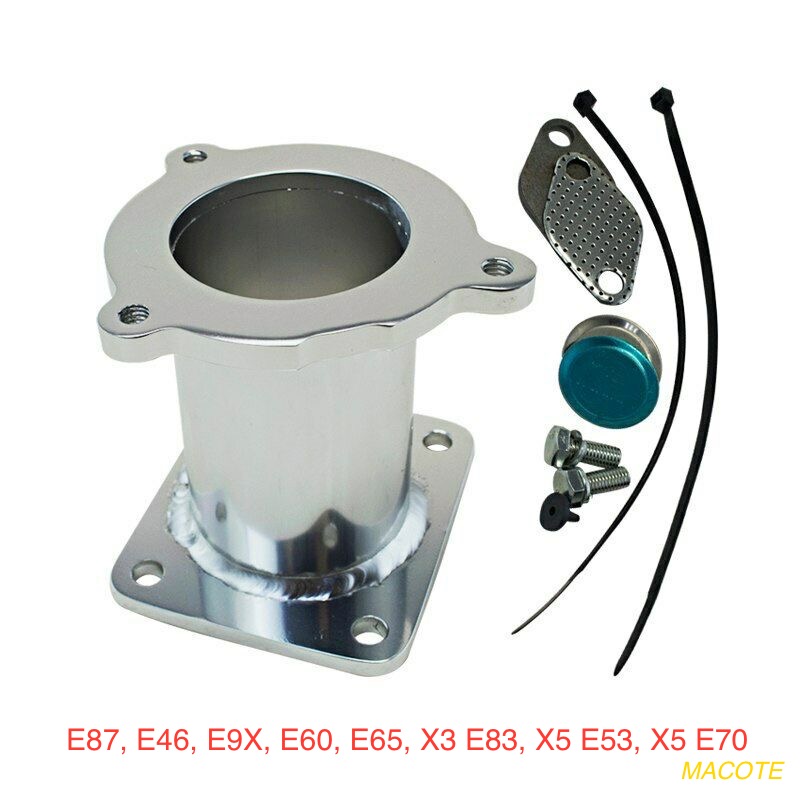
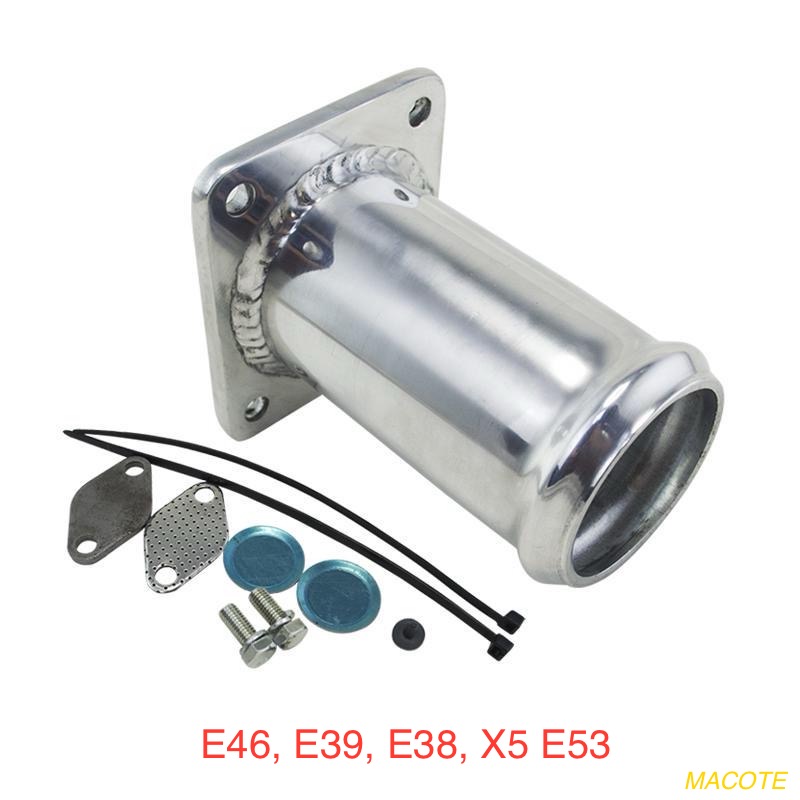
Would you like to learn more about how the EGR valve works, its symptoms, and its role in the engine? Check out our comprehensive guide to the BMW EGR valve to understand how it works and learn how to recognize the signs of a clogged valve.
In a nutshell
The air intake on BMW E90 and E91 models equipped with the M47 engine is a part that can naturally deteriorate over time. A crack or air leak can lead to a loss of power, excessive fuel consumption, and the engine warning light coming on.
Fortunately, there’s no need to replace the entire intake system. In just a few minutes, replacing the intake pipe restores optimal airflow and preserves your BMW’s original performance.
 Français
 English
 Español